



Common diagnoses for shoulder pain
Frozen Shoulder (Adhesive Capsulitis)
Frozen shoulder is a condition in which the shoulder joint becomes inflamed and stiff, making it difficult to move the arm. This can cause significant pain and limited movement in the shoulder. The condition often develops gradually and can be the result of injury, surgery, or prolonged immobilization.
Rotator cuff injury
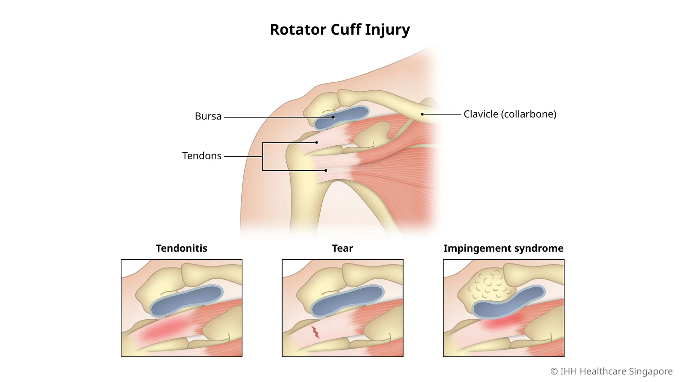
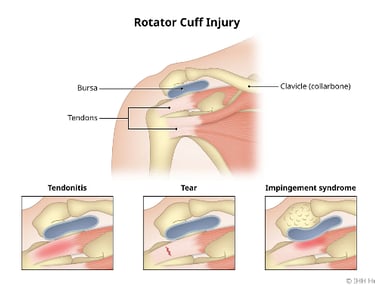
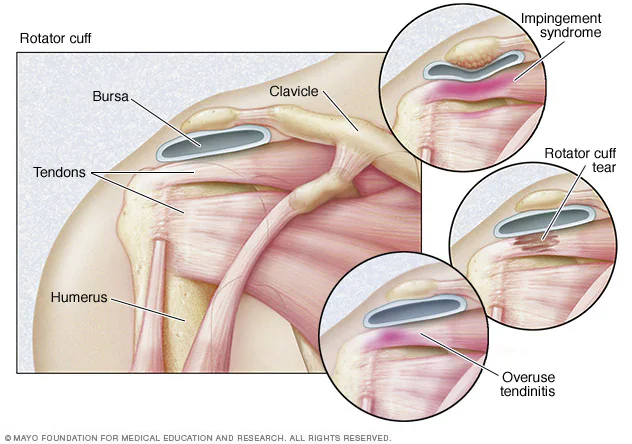
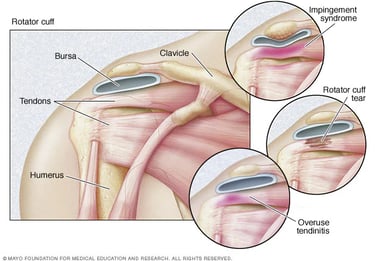
The rotator cuff is a group of muscles and tendons that hold the shoulder joint in place. Damage to the rotator cuff, such as a tear or inflammation, can cause pain, weakness, and reduced motion in the shoulder. This often occurs as a result of overuse or aging.
Shoulder Impingement
Shoulder impingement occurs when the tendons in the rotator cuff become irritated or compressed between the bones of the shoulder joint, which can lead to pain, inflammation, and reduced range of motion. This condition is common in people who perform repetitive overhead work, such as athletes or those who work with their arms raised.
Bursitis
Bursitis is inflammation of a bursa, which are small fluid-filled sacs that act as shock absorbers between tendons, muscles, and bones. Bursitis in the shoulder can cause pain and swelling, especially with movements that involve raising the arm.
Shoulder Osteoarthritis
Shoulder osteoarthritis is a degenerative condition in which the cartilage in the shoulder joint gradually wears away. This can lead to pain, stiffness, and reduced motion. Osteoarthritis usually develops with age, but can also be the result of a previous injury.
Shoulder Pain Treatment
Treatment of shoulder pain varies depending on the diagnosis. General treatment methods include:
Physical therapy: Physical therapy can be very effective in relieving pain, improving range of motion, and strengthening the muscles around the shoulder. Exercises to improve flexibility and strength in the shoulder can help prevent future injuries.
Manual therapy: The physical therapist may use manual techniques such as mobilization to improve range of motion in the shoulder.
Medications: Painkillers and anti-inflammatory medications can help relieve pain and reduce inflammation.
Surgery: In some cases, if conservative treatments are not effective, surgery may be necessary, such as to repair the rotator cuff or remove an inflamed bursa.
Shoulder pain can be distressing, but with proper treatment and rehabilitation, most people can return to normal function.
Book an appointment without waiting here: